
Smart Energy Solutions for EV Charging Stations
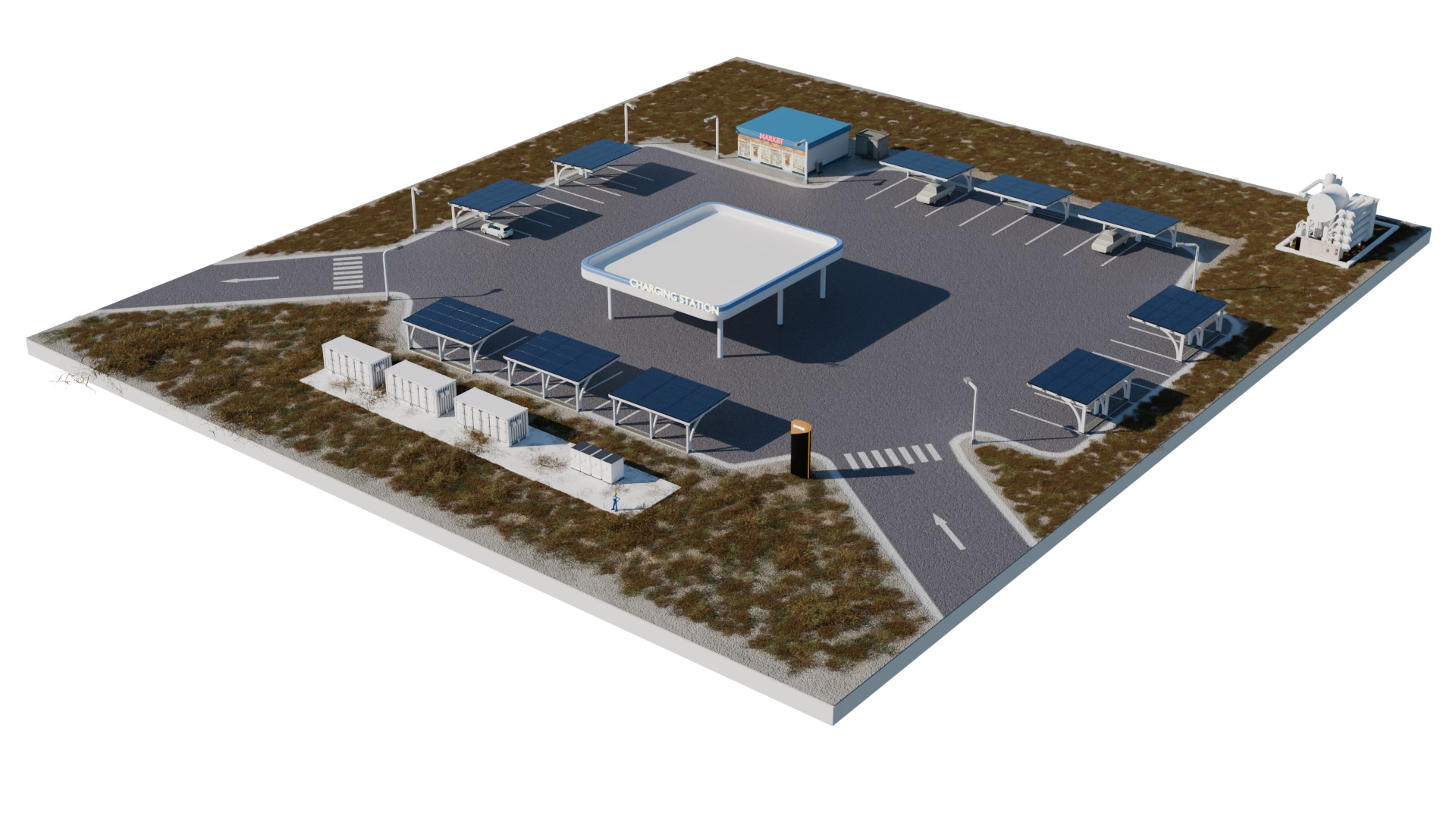

01 Key Challenges in EV Charging Stations

Intermittent Renewable Energy: Solar and wind generation fluctuate, making it difficult to maintain consistent power supply for charging.
Peak Demand Charges: High electricity demand during peak charging periods can result in significant demand charges and increased operational costs.
02 Related Product: ES1075 Air-Cooled BESS Container

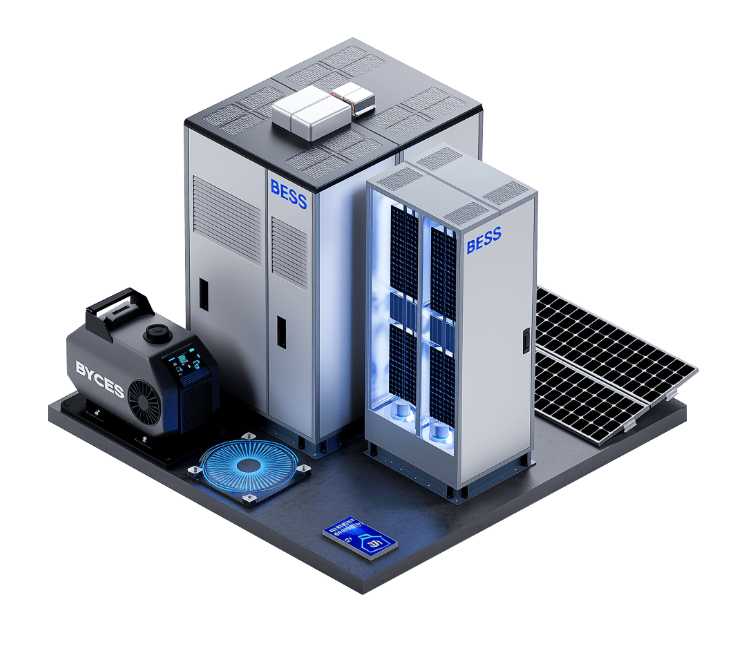
The ES1075 delivers a compact, all-in-one energy storage solution for EV charging stations, integrating PCS, battery packs, BMS, EMS, cooling, and fire protection in a single container. Its high-efficiency single-string design reduces energy losses and demand charges while providing fast response, seamless backup, and scalable capacity to support peak charging, improve charger availability, and avoid costly grid upgrades.
Get a Quote03 Renepoly Solution
Optimized Charging Efficiency: Renepoly’s smart microgrid system adjusts charging operations based on real-time vehicle flow and grid load, minimizing waiting time and maximizing station utilization.
Energy Storage Integration: BESS can supply energy during peak demand or when transformer capacity is limited, avoiding costly upgrades.
Stable and Cost-Effective Power: Combining renewable energy with storage ensures reliable, continuous charging while reducing electricity costs and supporting sustainable operation.
Project Checklist04 Related Project
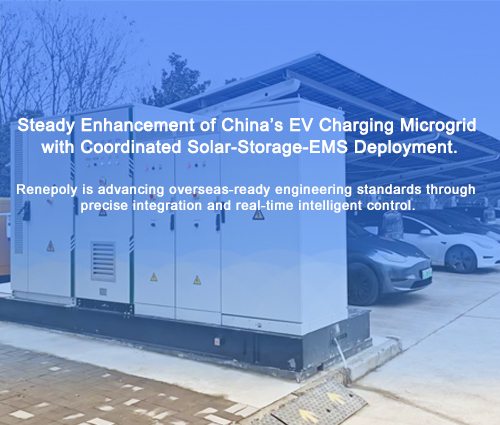
EV Charging Microgrid Project in China, Asia Pacific
Configuration: Existing Solar System + Existing BESS + Diesel Generator + EMS Cabinet
Delivery Model: Engineering & consultancy by Renepoly Energy
Core Functions: Peak shaving, load shifting, black start capability
Know More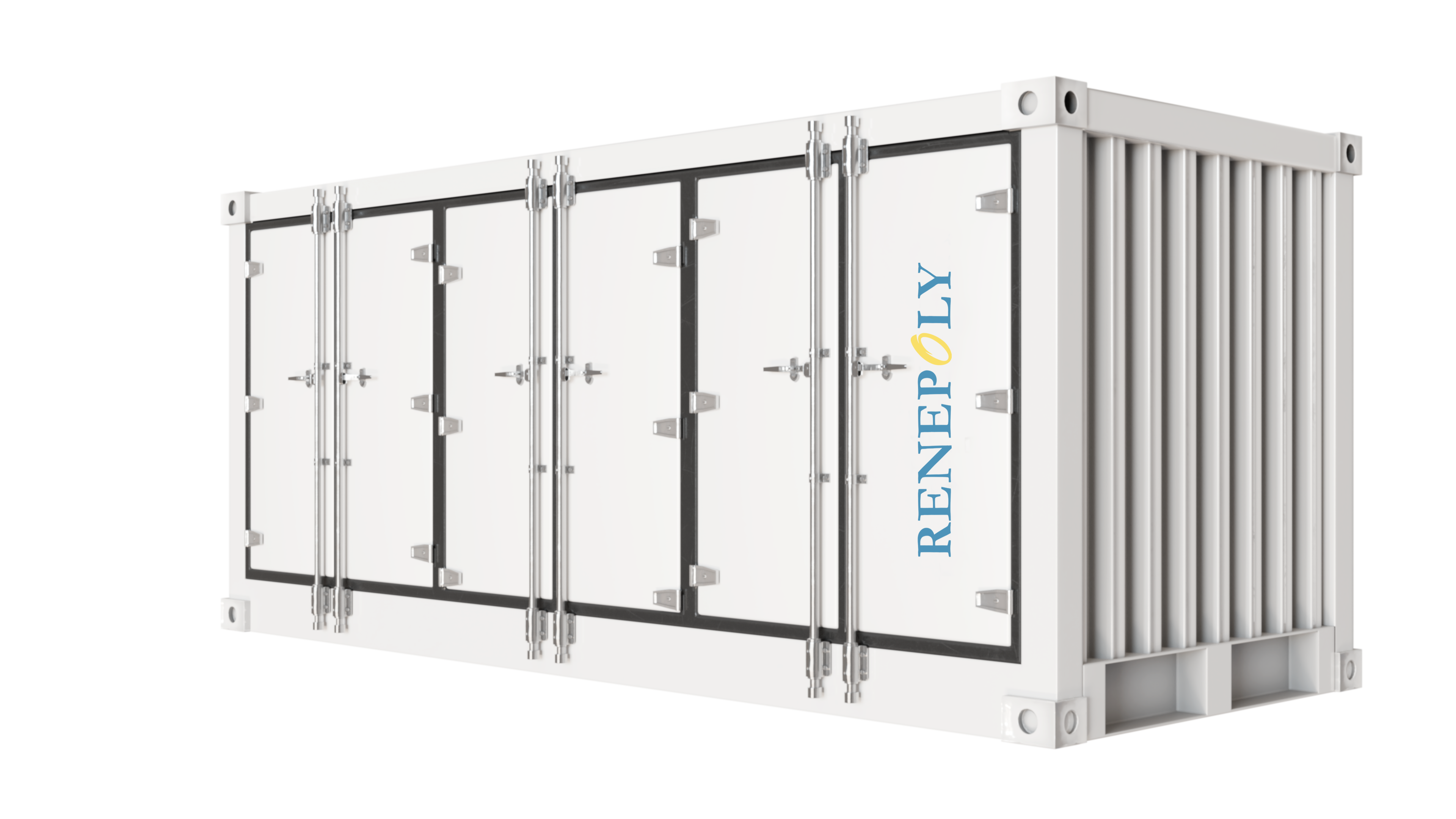
EV Charging Station Solutions
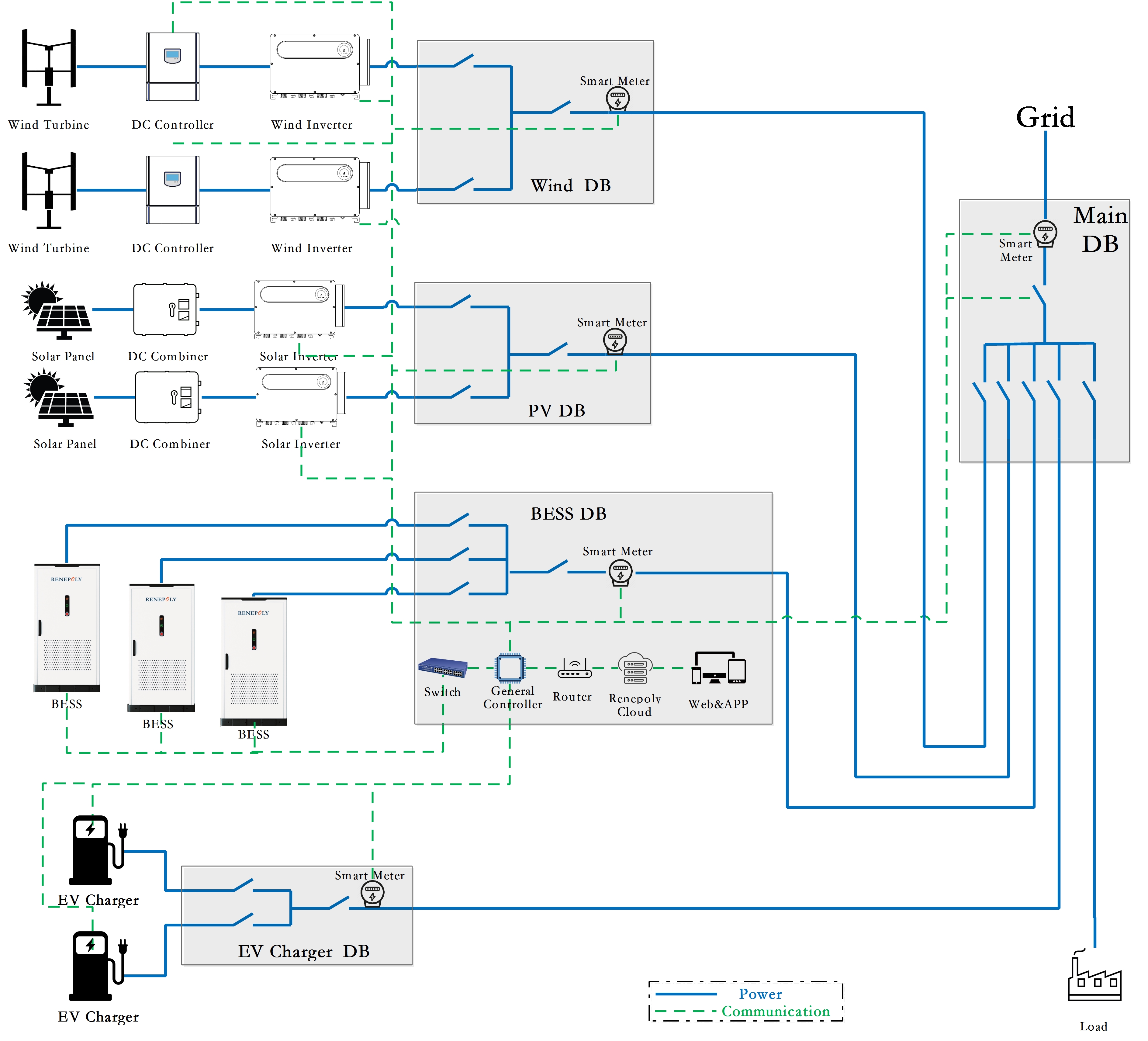
Solutions Contribution
 An integrated system of Grid, EV Chargers, renewable energy generation systems (solar, wind, biomass, small hydro, etc.), energy storage system and smart energy management system.
-
Fuctions of load shifting, peak shaving, power backup, seamless Switching and regulation of voltage, frequency and power factor.
-
Intelligent management and automatic control of the whole system.
-
Ensure the technical and economic feasibility of EV charging station by applying optimized working logics.
-
Energy storage system to fill the gap between existing transformer capacity and EV Chargers' power.
-
No need to wait for the transformer update permission.
-
Quiet noise levels, which can disturb surrounding areas.
-
Decrease overall operation and maintenance expenses as regular upkeep cost is low.
-
Higher overall system efficiency than single energy source system.
-
Satisfy strict environmental regulations, which may limit energy use.