
Microgrid Power for Remote Areas
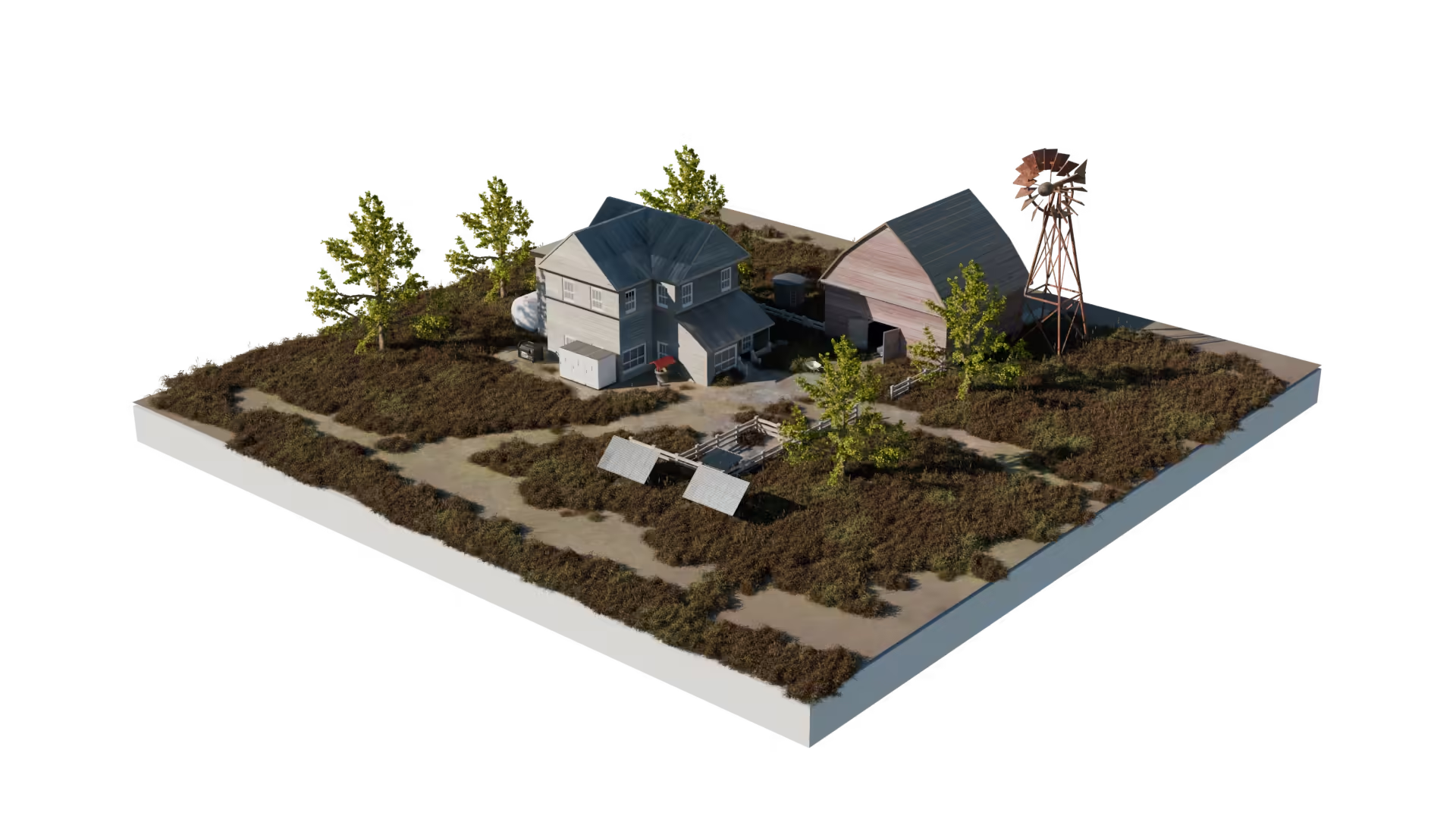
Energy Challenges in Remote Areas

Limited Grid Access: Remote sites rely on costly, high-emission diesel generators.
High Electricity Costs: Fuel transport and maintenance drive up operational expenses.
02 Related Products:EGS120 BESS Cabinet

The EGS120 is designed to work effortlessly with solar photovoltaic (PV) systems. It features built-in Maximum Power Point Tracking (MPPT) technology. Whether you're building a hybrid microgrid or a fully off-grid system, the EGS120 enables direct PV input, reducing dependency on the grid or diesel generators.
Get a Quote03 Renepoly Solution
Energy Resilience: BESS ensures continuous operation for critical infrastructure, preventing downtime and reducing operational costs.
Fuel Savings: Less diesel usage means significant diesel fuel savings.
Lower Maintenance: BESS requires less upkeep than diesel generators, cutting long-term operational expenditure.
Project Checklist04 Related Project
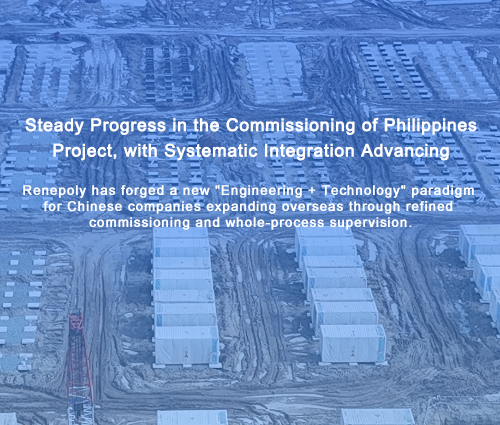
3.3 GWh Solar&Storage Flagship Project in the Philippines
Configuration: 3.5GWp Solar PV + 4.5GWh Storage (with 3.3GWh for Peak Shaving)
Delivery Model: EPC turnkey by GEDI, full lifecycle technical consultancy by Renepoly Energy
Know More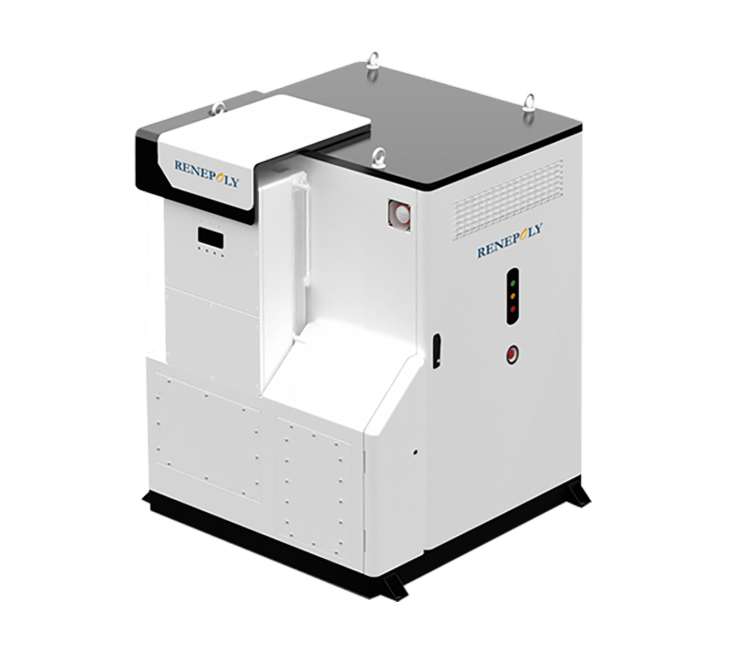
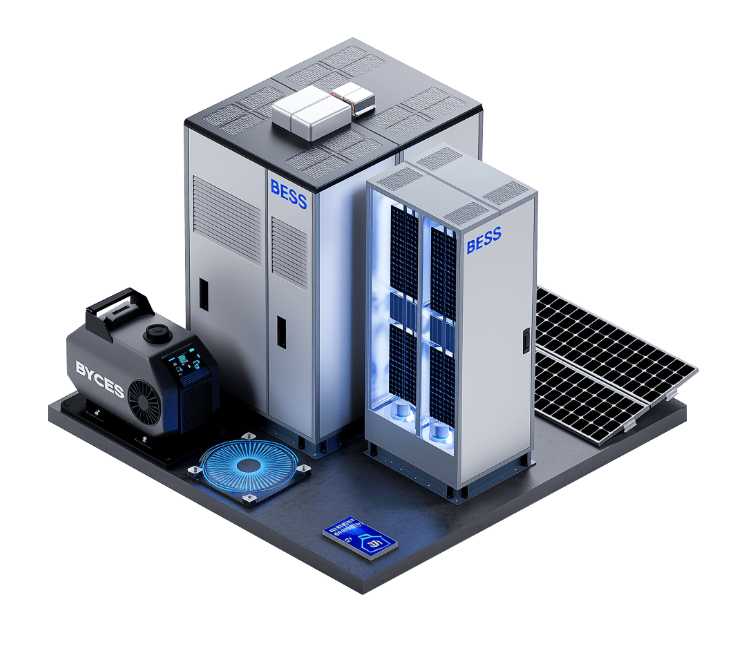
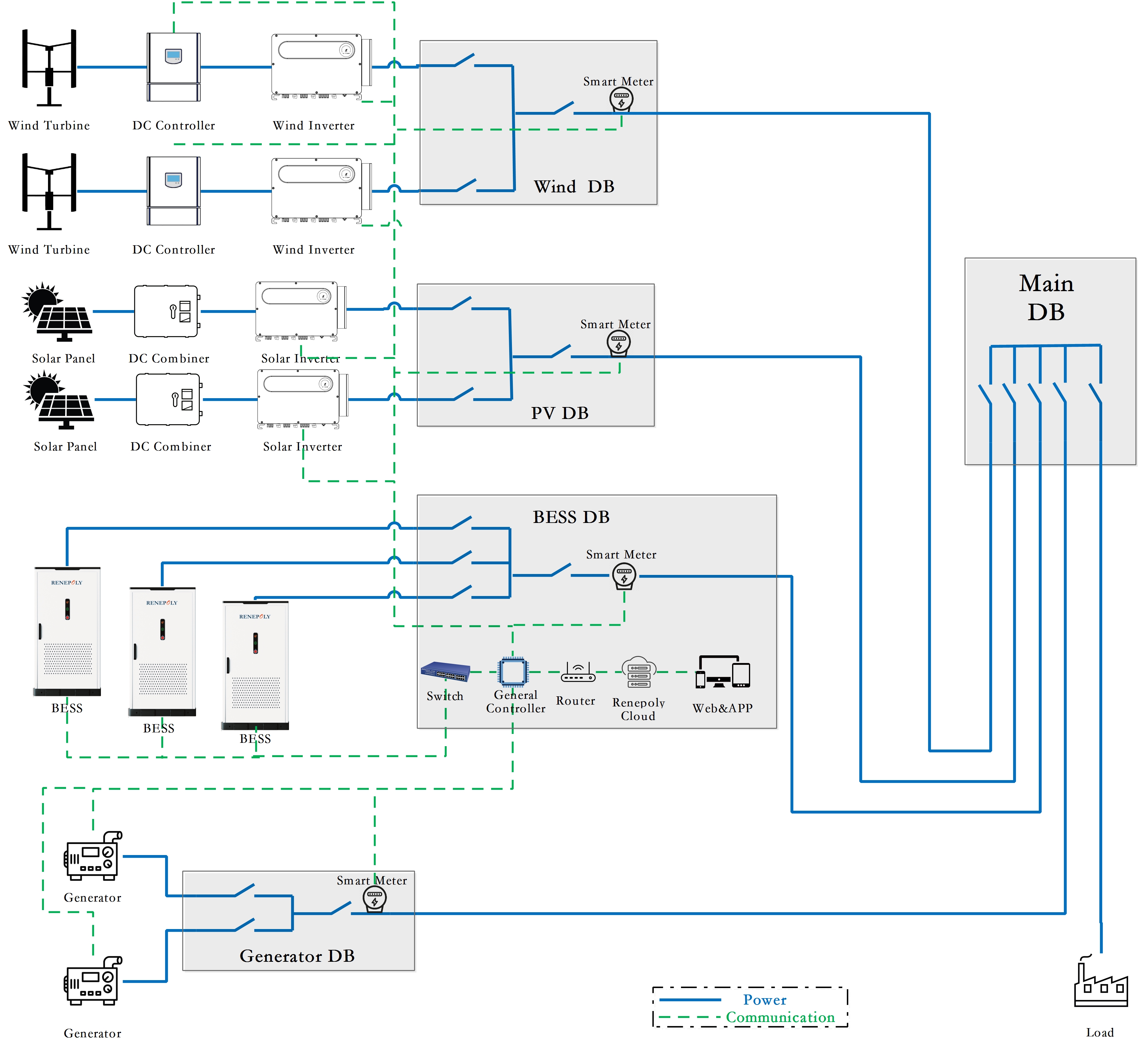
Remote Area Off-Grid Solutions
Solutions Contribution
 Integrate existing generators, renewable energy systems (solar, wind, biomass, small hydro), energy storage, and smart energy management.
-
Provide functions of load shifting, peak shaving, power backup, and voltage/frequency regulation.
-
Enable intelligent management and automatic control of the whole system.
-
Minimize diesel/petrol consumption through optimized working logic.
-
Reduce harmful pollutants, improving air quality and mitigating climate change.
-
Maintain low noise levels to minimize disturbance to surrounding areas.
-
Mitigate diesel price fluctuations, reducing unpredictable operational costs.
-
Lower overall operation and maintenance expenses due to low regular upkeep costs.
-
Achieve higher overall system efficiency compared to single-energy-source systems.
-
Comply with strict environmental regulations while ensuring reliable energy supply.